October 26, 2026
A properly functioning sprinkler system helps homeowners maintain healthy lawns, attractive landscaping, and consistent watering schedules. By distributing water throughout a property, irrigation systems can reduce manual watering while supporting grass, trees, shrubs, and garden beds. However, sprinkler components experience regular exposure to moisture, soil movement, changing temperatures, and everyday wear. Over time, these conditions can cause problems that affect watering efficiency and landscape health. Recognizing when sprinkler repairs are necessary can help homeowners address developing issues before they lead to wasted water, damaged plants, or extensive system problems. Understanding common warning signs allows property owners to make informed maintenance decisions and keep their outdoor spaces properly watered.
1. Noticing Uneven Water Distribution
One noticeable sign of sprinkler trouble is uneven watering across the landscape. Some areas may receive excessive moisture while others remain dry, even when the irrigation system operates regularly. Homeowners might notice patches of brown grass surrounded by healthy sections or areas where water collects after each cycle. These inconsistencies can indicate problems with sprinkler head positioning, clogged nozzles, water pressure, or improper coverage.
Professional technicians can evaluate watering patterns and identify areas receiving insufficient or excessive moisture. They may adjust sprinkler heads, clean obstructed nozzles, or inspect the system for pressure problems. Correcting uneven distribution helps provide consistent coverage throughout the property. Homeowners should also consider whether landscape changes, including growing shrubs or newly installed features, have altered how water reaches different areas.
2. Identifying Broken or Damaged Sprinkler Heads
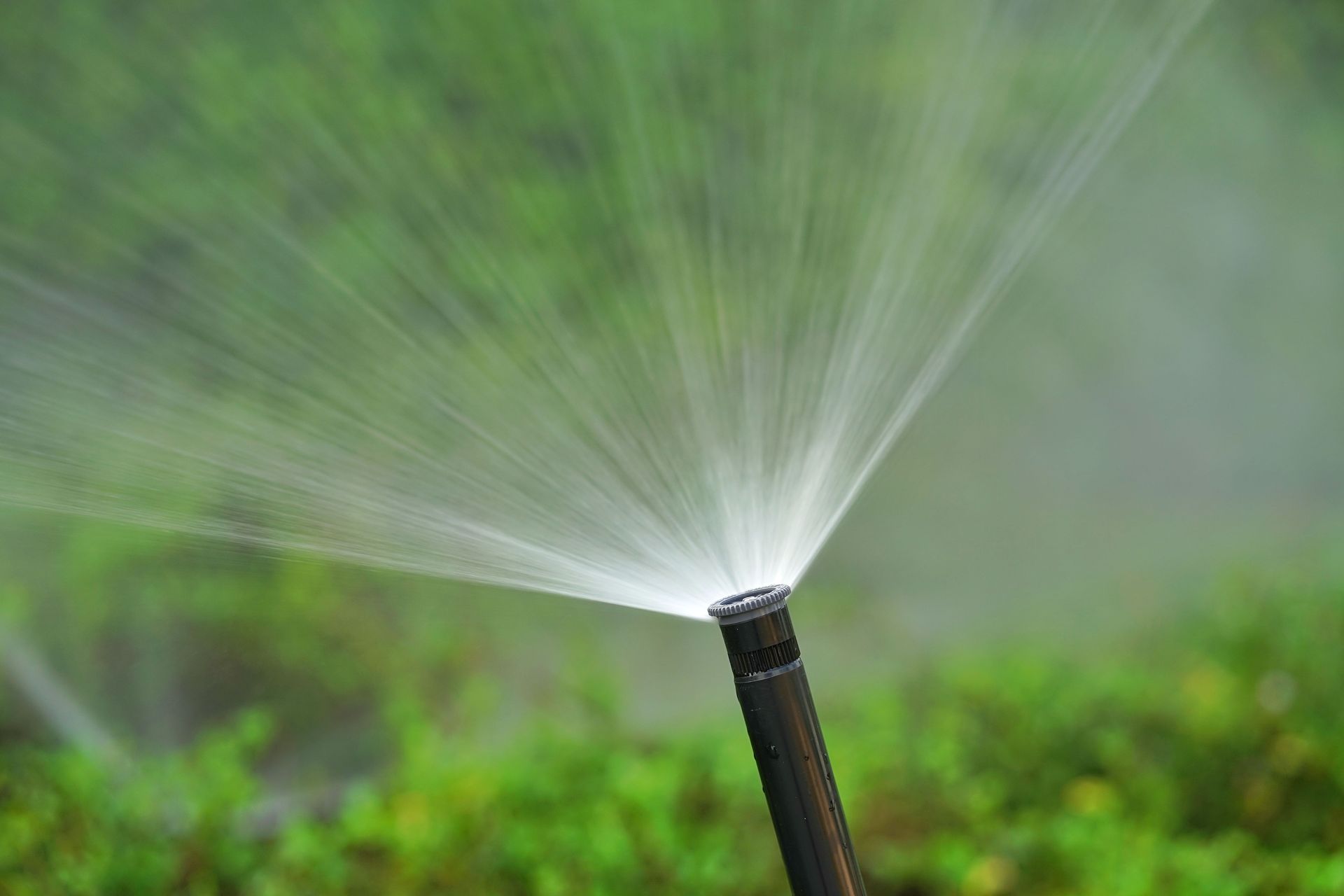
Sprinkler heads are exposed to lawn equipment, foot traffic, weather conditions, and ordinary wear. They may crack, become misaligned, stop rotating, or fail to rise properly during watering cycles. Damaged heads can release water in unintended directions or prevent certain areas from receiving adequate coverage. Homeowners may notice unusual spraying patterns, puddles near individual heads, or water flowing continuously from damaged components.
According to a University of Minnesota study, 75% of homes have at least one sprinkler head that is damaged or not functioning properly. This finding highlights the importance of checking visible irrigation components. During sprinkler repairs, technicians inspect damaged heads, determine whether cleaning or adjustment is sufficient, and replace components when necessary. They also verify that replacement heads are compatible with the system's operating requirements. Routine inspections can help identify damage before it causes significant water waste.
3. Recognizing Unexpected Changes in Water Pressure
Water pressure plays an important role in sprinkler performance. When pressure becomes too low, sprinkler heads may produce weak streams or fail to reach intended watering areas. Excessive pressure can create misting, overspray, or unnecessary wear on irrigation components. Homeowners may notice that certain zones operate differently or that water no longer reaches previously covered sections. These changes can indicate restrictions, leaks, damaged valves, or other system concerns.
Technicians can measure operating pressure and inspect the irrigation system to identify potential causes. Depending on their findings, sprinkler repairs may involve addressing leaks, replacing faulty components, or correcting pressure regulation problems. Professionals also evaluate whether sprinkler heads are appropriate for the available pressure. Restoring suitable operating conditions helps improve coverage and reduces unnecessary system stress. Pressure problems should be investigated rather than compensated for by increasing watering time.
4. Detecting Unusual Puddles and Soggy Areas
Standing water can indicate that an irrigation system is releasing more moisture than the surrounding soil can absorb. Although poor drainage and heavy rainfall may contribute to wet conditions, recurring puddles near sprinkler heads or underground piping can suggest leaks. Homeowners may notice unusually soft ground, muddy patches, or water collecting in the same location after watering cycles. Persistent saturation can affect grass health and create inconvenient conditions around outdoor spaces.
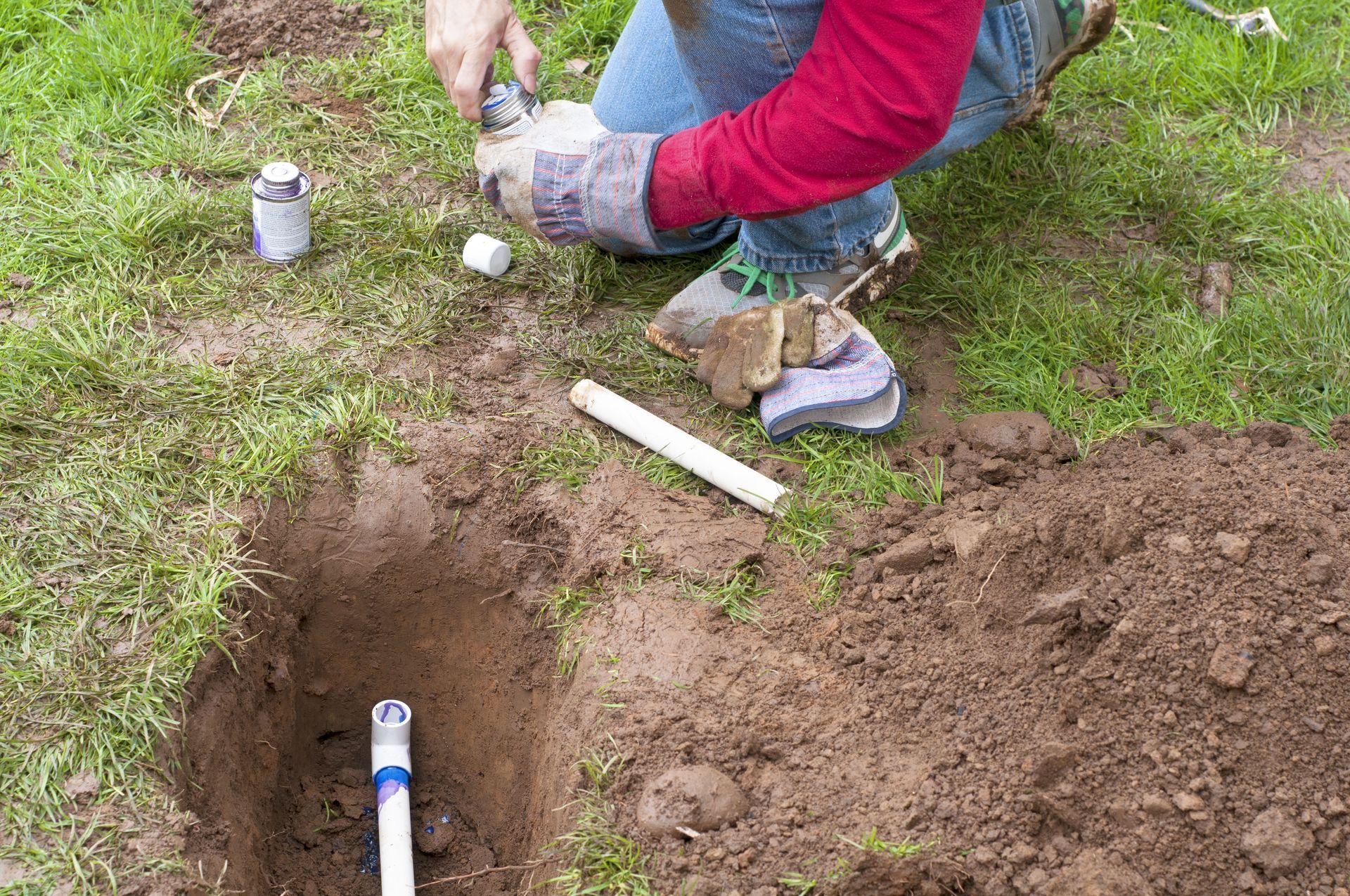
Professional irrigation technicians can examine wet areas to determine whether the problem involves damaged piping, leaking connections, malfunctioning valves, or improper watering schedules. Repairs may require locating underground leaks, replacing damaged sections, or correcting system settings. Because underground problems are not always visible, professional evaluation can help prevent unnecessary digging. Addressing excess moisture helps protect landscaping and reduce water consumption.
5. Observing Sprinkler Heads That Fail to Operate
Sprinkler heads should activate and distribute water according to the system's programmed schedule. When individual heads fail to rise, rotate, or spray, portions of the landscape may receive insufficient irrigation. Dirt, grass clippings, mineral deposits, and damaged internal components can interfere with normal operation. Sometimes the problem involves the water supply or another component serving the affected irrigation zone.
During sprinkler repairs, technicians inspect nonfunctioning heads and determine whether the issue involves a blockage, mechanical failure, or insufficient pressure. Cleaning, adjustment, or replacement may restore proper operation. If multiple heads are affected, professionals may investigate valves, piping, and electrical controls. Homeowners should avoid forcing stuck components because this can cause additional damage. Identifying the cause helps ensure that repairs address the underlying problem.
6. Investigating Unusual Increases in Water Bills
An unexpected increase in water usage can indicate an irrigation problem, especially when household routines and seasonal watering needs remain consistent. Underground leaks, damaged sprinkler heads, and valves that fail to close completely may allow water to escape unnoticed. Homeowners might discover higher utility bills even though irrigation schedules have not changed. Comparing recent water usage with previous billing periods can help identify unusual patterns.
Professional technicians can inspect the system for leaks, evaluate zone operation, and determine whether water continues flowing when irrigation should be inactive. Necessary sprinkler repairs may include replacing damaged valves, repairing underground piping, or correcting malfunctioning connections. Homeowners can also review controller settings to ensure watering cycles are not running longer than intended. Addressing unnecessary water consumption can help reduce expenses while supporting responsible irrigation practices.
7. Identifying Malfunctioning Valves and Controllers
Sprinkler systems rely on valves and controllers to direct water to different irrigation zones at scheduled times. When these components malfunction, certain areas may fail to receive water, activate unexpectedly, or continue operating after a cycle ends. Electrical connection problems, damaged wiring, worn valves, and incorrect programming can contribute to these issues. Homeowners may notice that the system ignores programmed settings or that individual zones behave inconsistently.
Technicians inspect electrical connections, test valve operation, and review controller programming to identify problems. Depending on their findings, repairs may involve replacing defective components, correcting wiring issues, or adjusting irrigation schedules. Modern controllers may include rain sensors or weather-based features that require evaluation. Ensuring these components function properly helps maintain consistent watering schedules and prevents unnecessary irrigation when additional moisture is not needed.
8. Monitoring Changes in Landscape Health
The condition of a lawn or garden can provide clues about irrigation performance. Yellowing grass, wilting plants, dry soil, and declining shrubs may indicate insufficient watering. Conversely, excessive moisture can contribute to unhealthy roots, fungal problems, and deteriorating turf. Because plants have different watering requirements, changes in landscape health should be evaluated alongside soil conditions, seasonal temperatures, and recent weather patterns.
Homeowners who notice recurring landscape problems should consider whether sprinkler repairs could improve water distribution. Irrigation professionals can assess coverage, inspect system components, and recommend adjustments based on the property's layout. However, not every landscaping problem originates with irrigation equipment. Soil compaction, drainage issues, pests, and plant diseases may produce similar symptoms. Evaluating the situation helps determine whether irrigation adjustments, repairs, or additional landscape care are appropriate.
A dependable sprinkler system supports healthy landscaping while helping homeowners manage water usage effectively. Uneven coverage, damaged heads, pressure changes, standing water, malfunctioning controls, and unexpected increases in utility bills can indicate irrigation problems. Recognizing these warning signs allows property owners to seek assistance before minor issues become more disruptive. Routine inspections, appropriate watering schedules, and timely maintenance can help preserve system performance throughout changing seasons. Because irrigation systems contain interconnected mechanical, electrical, and underground components, professional troubleshooting can be valuable when problems are difficult to identify. Addressing concerns promptly helps protect landscaping investments and maintain reliable watering conditions. For professional sprinkler repairs, inspections, and maintenance services, contact Oregon Sprinkler today.