February 18, 2026
Proper lawn care goes far beyond mowing, edging, and fertilizing: it starts with a sprinkler system that’s tuned for every season. Your irrigation system is the lifeline of your lawn, supplying consistent moisture that keeps grass lush, green, and resistant to stress. But like any piece of equipment exposed to the elements, it needs year-round attention to perform well. Seasonal weather changes, whether it’s freezing winter temperatures or scorching summer heat, can drastically affect water flow, pressure, and the condition of your pipes. Knowing how each season impacts your irrigation system helps you maintain efficiency, prevent damage, and protect your investment.
Each season brings its own set of maintenance challenges and opportunities when it comes to caring for your irrigation system. In spring, rising temperatures and thawing ground can reveal hidden damage from winter freezes. Summer introduces heat and heavy water demand that test your system’s efficiency and reliability. As fall arrives, cooler air and changing soil conditions call for recalibration to balance moisture and prepare the system for the months ahead. Then winter’s freezing temperatures can threaten pipes, valves, and backflow preventers if the system isn’t properly shut down.
Staying ahead of these seasonal shifts allows you to catch issues early, before they turn into leaks, bursts, or inefficient watering patterns. Regular maintenance and small adjustments throughout the year can protect your investment, prevent costly repairs, and ensure steady performance no matter the weather. With a little preparation and awareness, you’ll not only extend the lifespan of your sprinkler system but also keep your lawn thick, green, and resilient through every changing season.
Winter: Freezing and Sprinkler Pipes
Winter poses one of the greatest risks to irrigation systems, especially in regions where temperatures drop below freezing. Water left in your sprinkler pipes can freeze, expand, and cause cracks or bursts. These damages are often not immediately noticeable, leading to leaks that can persist into the spring. A thorough winterization process is key to avoiding these costly problems.
Most homeowners begin by draining their irrigation systems before the first freeze. This involves either using compressed air to blow out the water from the pipes or manually draining each zone. While this task can seem intimidating, it’s far less expensive and disruptive than replacing broken pipes in early spring.
Another common winter challenge is maintaining system components like valves and backflow preventers. These parts can freeze and fail if left exposed to harsh temperatures. Wrapping exposed pipes and using insulated covers for vulnerable components helps minimize this risk.
Regular inspection is also critical. Even after winterizing, checking for leaks or damage once the system is inactive can prevent springtime emergencies. Early detection ensures that your irrigation system remains functional and reliable as temperatures begin to rise. Taking these preventive steps during winter not only protects your irrigation system from damage but also sets the foundation for a smoother, more efficient start-up when spring arrives.
Spring: Melting and System Pressure
Spring is a transitional season that brings both opportunities and challenges for sprinkler systems. As snow and ice melt, water levels in your soil increase, and system pressure can fluctuate unexpectedly. Properly adjusting your irrigation system during this period ensures your lawn receives consistent hydration without overwatering.
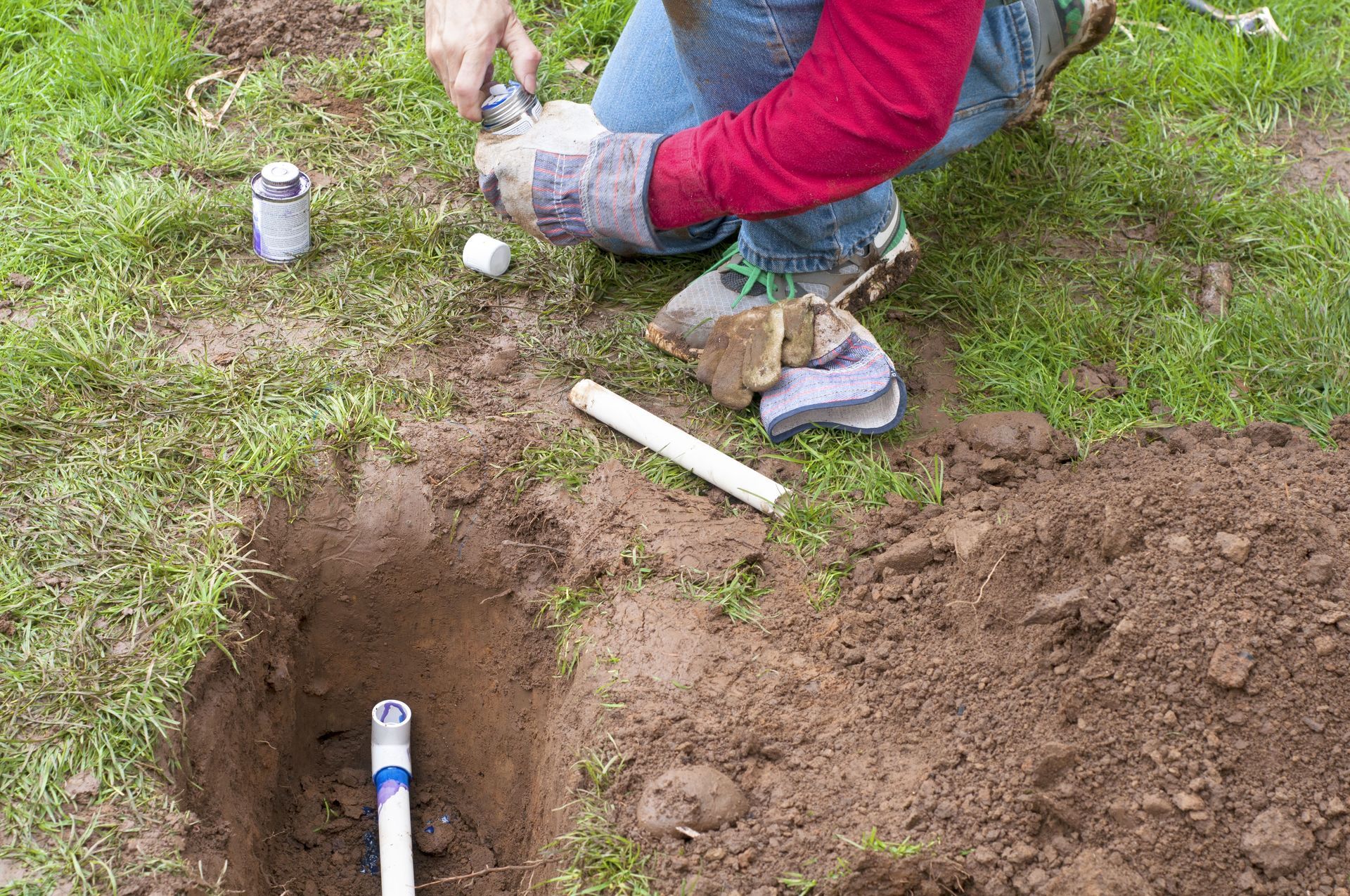
One key step is to inspect your system for winter damage. Frozen pipes or neglected valves may have developed small leaks that reduce water pressure or unevenly distribute water across your lawn. Repairing these issues early helps maintain optimal performance and prevents water waste.
According to Ruby Home, U.S. households waste roughly one trillion gallons of water every year due to leaks in things like pipes, faucets, and sprinkler systems. Spring inspections and adjustments help reduce your personal contribution to this statistic while also saving you money on your water bill. Addressing minor leaks before they escalate can significantly improve system efficiency.
Spring is also the ideal time to recalibrate sprinkler heads and timers. Soil that is still wet from melting snow may require shorter watering cycles, while newly planted areas might need additional coverage. Fine-tuning these settings ensures your lawn remains healthy without unnecessary water consumption.
Summer: Hot Weather and Water Flow
Summer heat puts a significant strain on irrigation systems. High temperatures increase water evaporation and create a higher demand for consistent irrigation. If your system is not functioning efficiently, your lawn may experience dry spots, while overwatering in certain areas can waste precious resources.
One of the most critical summer tasks is monitoring water flow and coverage. Sprinkler heads can become misaligned or clogged with debris, resulting in uneven watering patterns. Performing a thorough inspection of each zone ensures every part of your lawn receives adequate hydration.
Hot weather can also exacerbate pre-existing leaks or cracks in pipes. The combination of high pressure and heat can worsen damage, leading to further water waste and potential lawn damage. Scheduling periodic checks during the peak summer months can prevent minor issues from becoming major repairs.
In addition, adjusting watering schedules to early morning or late evening reduces water loss due to evaporation. This practice ensures that water penetrates the soil effectively, reaching the roots where it’s needed most. By being proactive, homeowners can maintain a lush, green lawn throughout the summer without overtaxing their irrigation system.
Fall: Cooling Temperatures and Root Zones
As temperatures begin to cool in fall, irrigation systems face a new set of challenges. The transition from hot summer days to cooler weather affects soil moisture and root activity, requiring adjustments in watering frequency and duration. Preparing your system for winter is also an essential part of fall maintenance.
Roots continue to grow in the early fall, but excessive water can lead to shallow root systems that are more susceptible to winter damage. Gradually reducing watering frequency helps encourage deep root development, which strengthens your lawn and prepares it for the cold months ahead.
Fall is also the time to clean and inspect your sprinkler system before winterization. Removing debris from sprinkler heads, checking for leaks, and repairing damaged pipes ensures your system is ready for shutdown. Neglecting these steps can lead to costly repairs when temperatures drop.
Fall is the ideal season to review your system’s overall efficiency. Adjusting water flow and monitoring usage ensures you are not wasting water while maintaining a healthy lawn. These proactive steps help prevent problems in winter and reduce the likelihood of water waste, contributing to both environmental sustainability and cost savings.
Seasonal changes have a profound impact on your irrigation system, affecting everything from pipe integrity to water flow and root health. By understanding these effects and taking proactive measures in winter, spring, summer, and fall, you can extend the life of your system and maintain a healthy, vibrant lawn year-round. Regular inspections, timely repairs, and proper adjustments are the keys to success.
Being attentive to seasonal needs also has a broader impact. Preventing leaks, avoiding overwatering, and properly maintaining your irrigation system can conserve water and save money. With careful planning and consistent maintenance, your irrigation system can perform optimally through every season, ensuring your lawn remains a source of pride and enjoyment.
At Oregon Sprinkler, we're here to help keep your lawn healthy and your system running efficiently. Contact us today to schedule a checkup and ensure your sprinkler is ready for every season.